If you've spent any time on LinkedIn in 2025–2026, you've probably noticed the proliferation of AI-generated headshots. Tools like Aragon, Profile Picture AI, and HeadshotPro promise professional-looking portraits from a handful of selfies in minutes. As a professional headshot photographer in Sydney, I feel obliged to give you my honest take — including the cases where AI headshots might actually be the right choice.
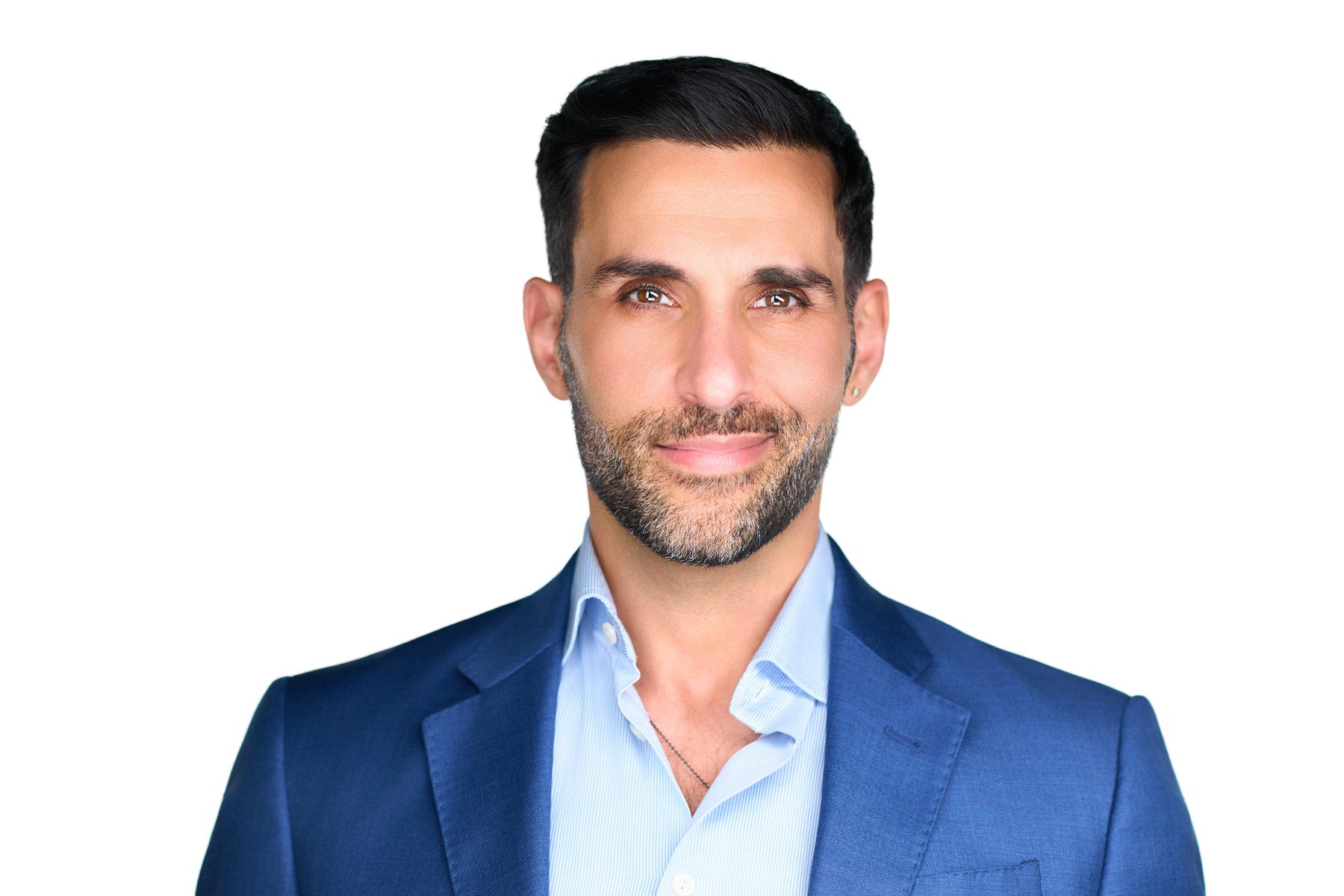
What AI Headshots Actually Do Well
Let's be fair. AI headshot tools have improved dramatically. For a profile photo that's "better than nothing," they deliver — quickly and cheaply. If you need a placeholder image for a LinkedIn profile you're barely using, or an internal staff directory at a small company, AI-generated images can be adequate.
They're also fast. For someone who needs something today, AI headshots are available in 24 hours or less.
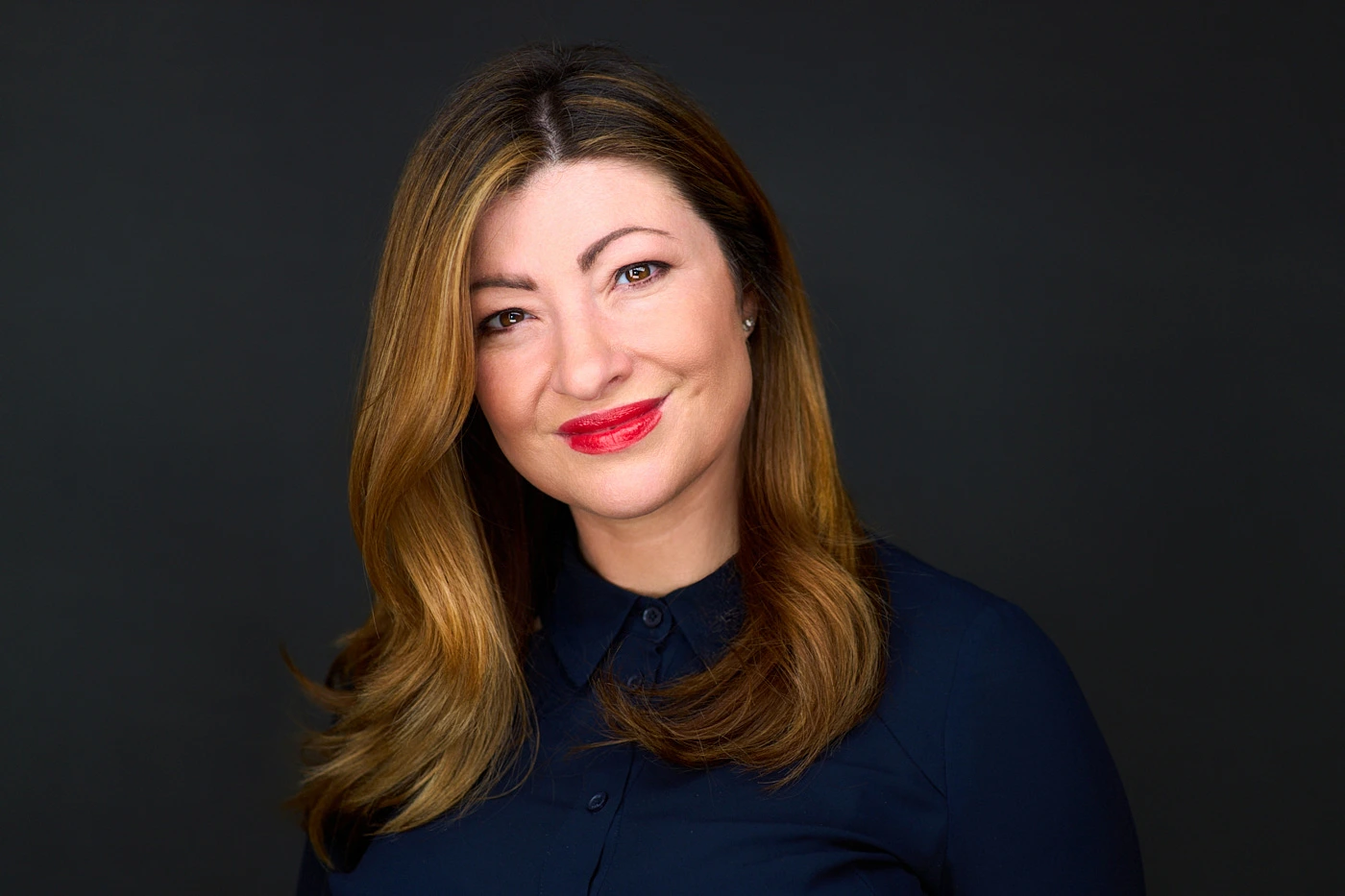
Where AI Headshots Consistently Fail
1. They Don't Look Like You
This is the most significant problem. AI headshot tools synthesise an "idealised" version of your face based on your input photos. The result often looks like a slightly different person — someone smoother, more symmetrical, and less characterful than you actually are. When your clients and colleagues see you in person after viewing your AI headshot, the mismatch creates an immediate trust gap.
2. Trained Eyes Spot Them Immediately
Recruiters, hiring managers, and experienced sales professionals see hundreds of AI headshots. They're increasingly easy to identify by the skin texture, the too-perfect symmetry, the slightly "painted" look, and the backgrounds that look like no real studio. In competitive professional contexts — Sydney law, finance, consulting, real estate — this is a real reputational risk.
3. Expression and Personality Are Absent
What makes a headshot work is the expression. A genuine, coached expression communicates warmth, confidence, and authenticity. AI tools average your expressions from multiple input photos, resulting in something technically "neutral" but emotionally flat. The headshots that generate connection — the ones that make someone feel like they already know you — are impossible to fake with AI.
4. Output Quality Degrades at Scale
Cropped to full-screen, printed on a banner, or featured on a national publication's website, AI headshots reveal their limitations quickly. Real professional photography at full resolution holds up across every context.
Our position: AI headshots are a placeholder for people who don't yet have a professional headshot. They're not a substitute for the real thing in competitive professional contexts.
Who Should Consider AI Headshots?
- Students who need a profile photo temporarily
- Professionals in fields where visual professional branding matters very little
- Anyone who genuinely cannot access a professional photographer
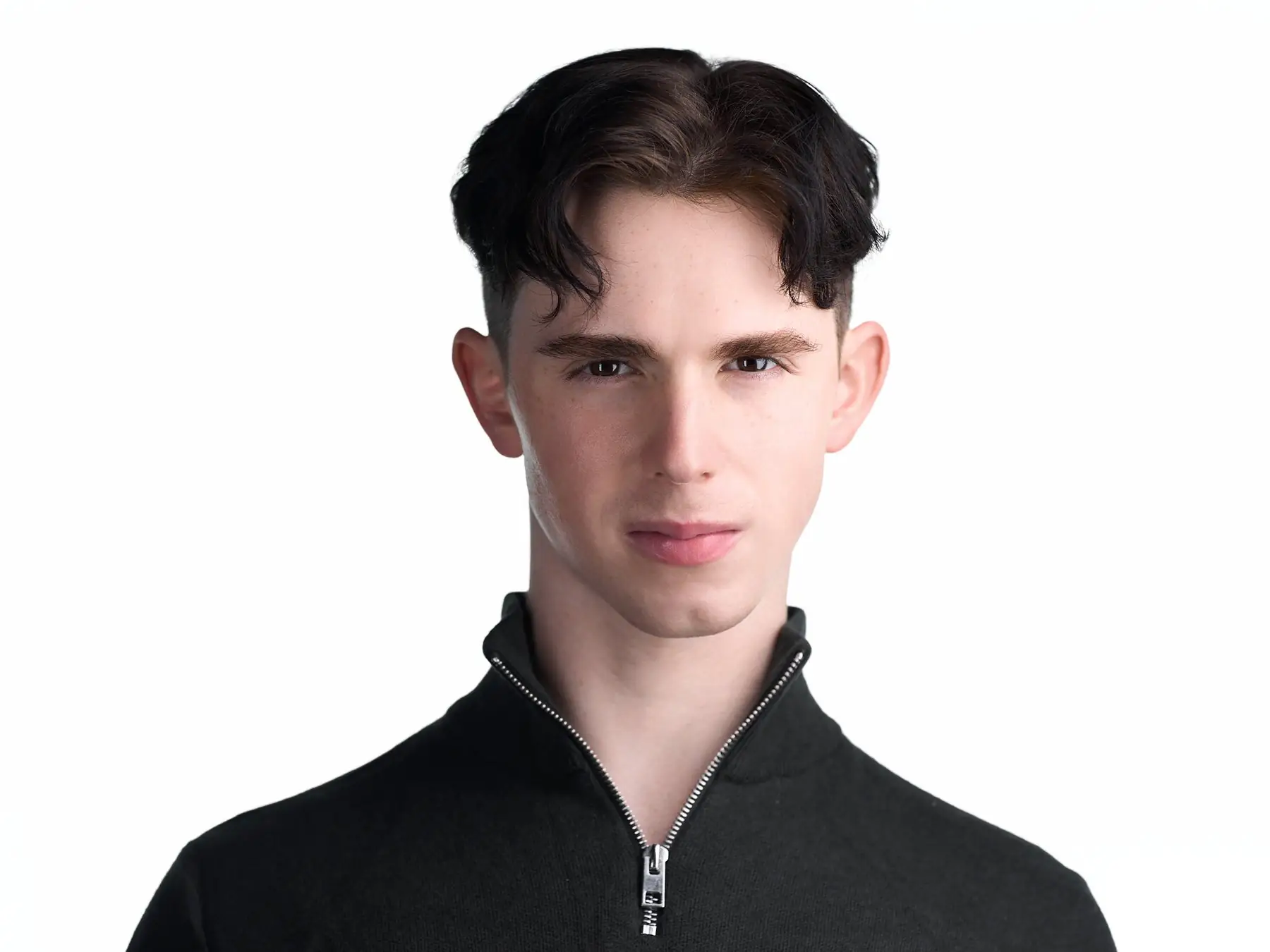
Who Absolutely Needs a Professional Headshot
- Anyone in client-facing or business development roles
- Real estate agents, lawyers, consultants, and financial advisors
- Executives and senior leaders
- Actors, performers, and creatives
- Anyone who wants to be taken seriously online
The Bottom Line
AI headshots are cheap, fast, and increasingly passable. They are not good. For Sydney professionals who are serious about their personal brand, their client acquisition, and their career progression, there is no substitute for a session with a dedicated headshot photographer who understands expression, light, and professional context. The difference in your final images — and in how people respond to them — is not subtle.
Ready to see the difference a real session makes?
Book Your Session →Where AI headshots still fall short
AI tools can be useful for quick experiments, but they often invent details rather than photograph the person accurately. That can create small trust problems: strange eyes, uneven skin texture, incorrect clothing, odd jawlines or an expression that feels almost right but not quite real.
A real studio session is built around likeness and expression. The camera records how you actually look, and the direction helps bring out an expression that fits the role, brand or casting purpose.
When a real headshot is the smarter choice
If your image is used for LinkedIn outreach, client proposals, media, company profiles, speaker bios, casting submissions or investor materials, accuracy matters. The photo has to look like the person who will walk into the room.
Professional photography also gives you controlled crops, consistent files, natural retouching and a set of images that can work across more than one platform.
Frequently asked questions
Are AI headshots good enough for LinkedIn?
AI headshots can be acceptable for a temporary profile image, but they often struggle with likeness, expression, clothing details and trust. For client-facing work, a real headshot is usually safer.
Can people tell when a headshot is AI-generated?
Often, yes. AI headshots can show small inconsistencies in eyes, skin texture, hair, teeth, clothing and proportions. Those details matter when the image is meant to build credibility.
When is a professional headshot worth it?
A professional headshot is worth it when the image affects trust, recruitment, sales, casting, speaking opportunities or brand perception. It gives you controlled lighting, real expression and accurate likeness.